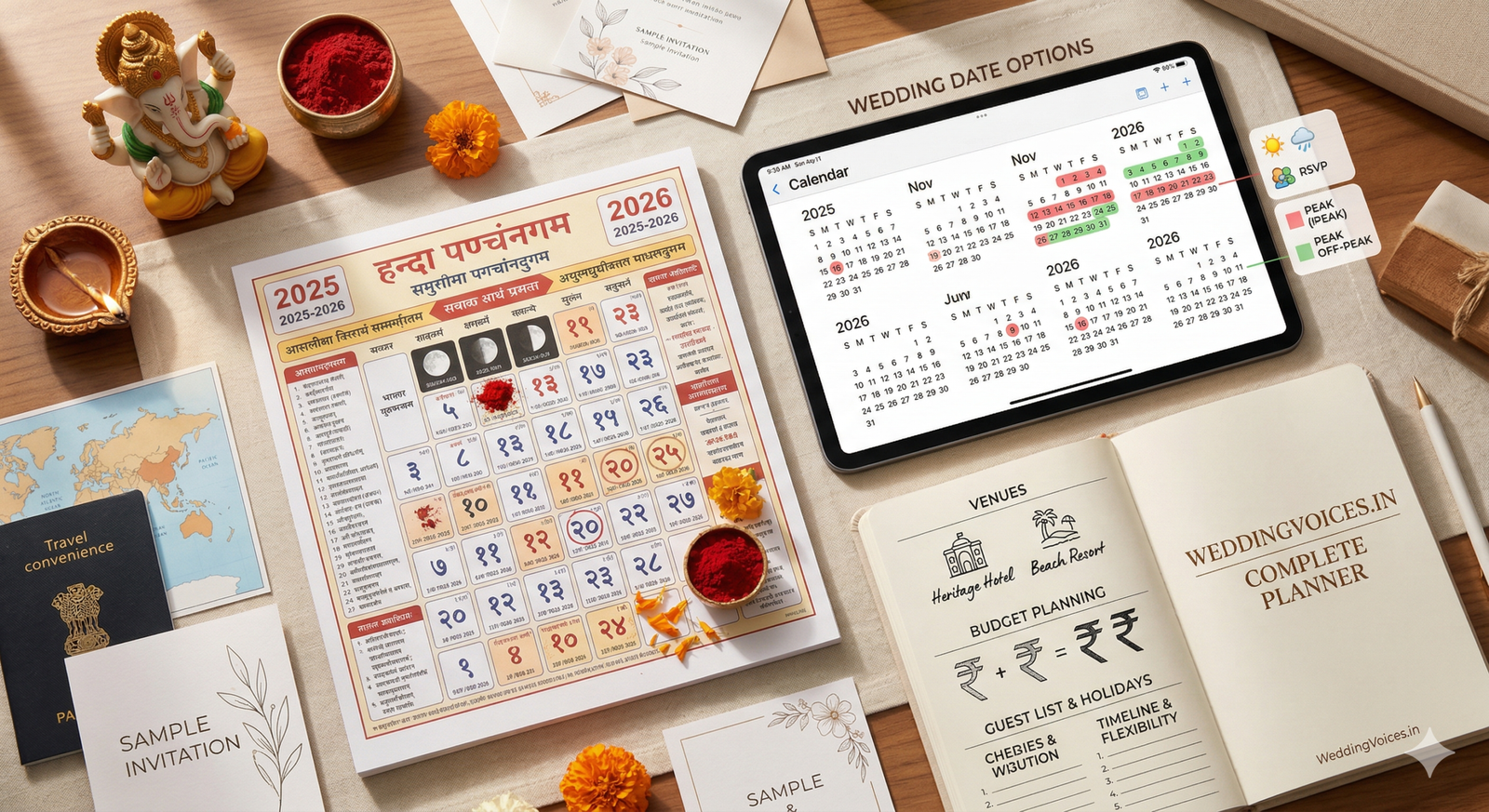

Complete Wedding Planning Checklist for Indian Brides

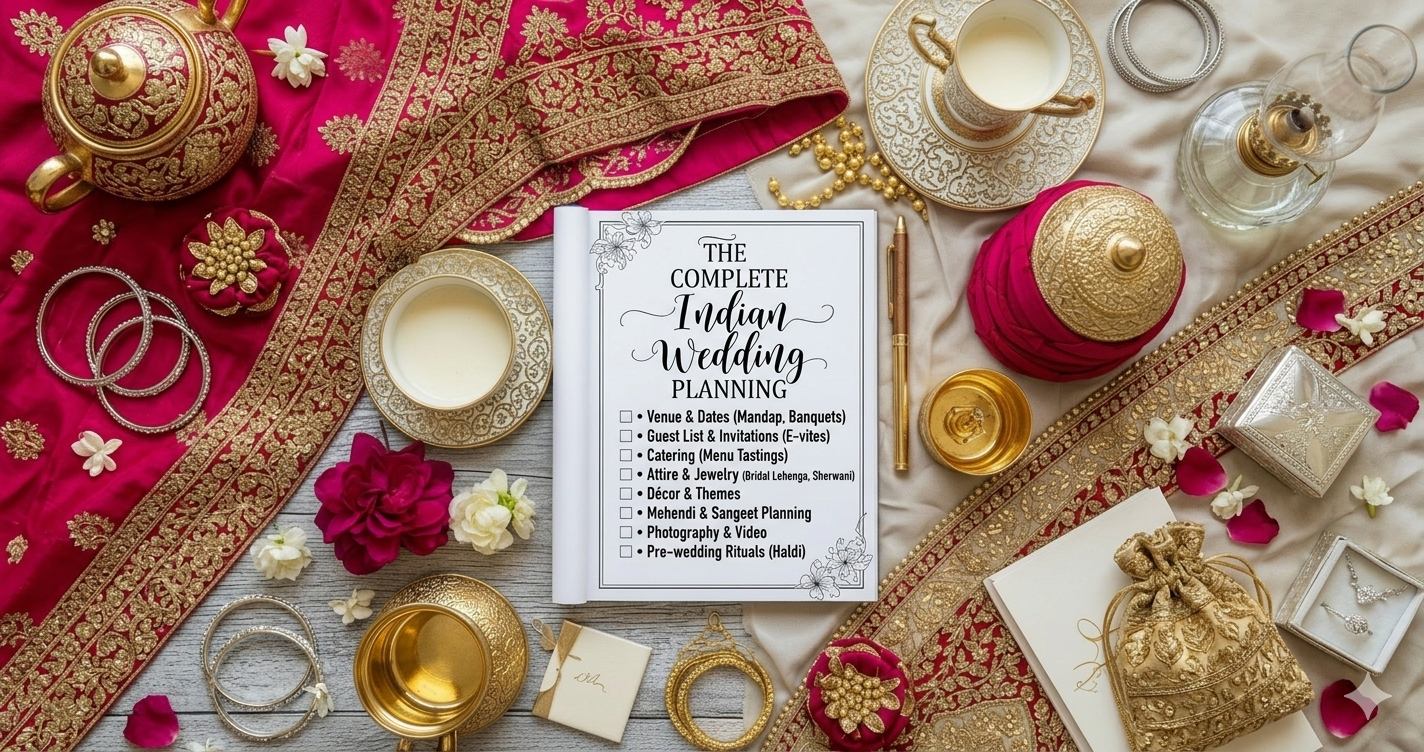
An Indian wedding is not just a single-day event; it is a grand, multi-day festival of love, color, emotion, and familial bonding. For the modern Indian bride, balancing age-old customs and traditions with contemporary aesthetics and modern logistics can feel like a monumental task. The sheer scale of these celebrations requires an extraordinary level of detail and organization. From finalizing the intricacies of your bridal lehenga to managing the complex logistics of out-of-town guests, effective wedding planning is the only way to ensure you actually get to enjoy your big day rather than stress over it.
To help you navigate this beautiful but overwhelming journey, we have created the ultimate chronological timeline. Whether you are hosting an intimate destination wedding at a serene resort in Chittoor, a traditional ceremony in Tirupati, or a massive metropolitan extravaganza in Hyderabad or Mumbai, this comprehensive guide covers everything.
Phase 1: Laying the Foundation (10 to 12 Months Before)
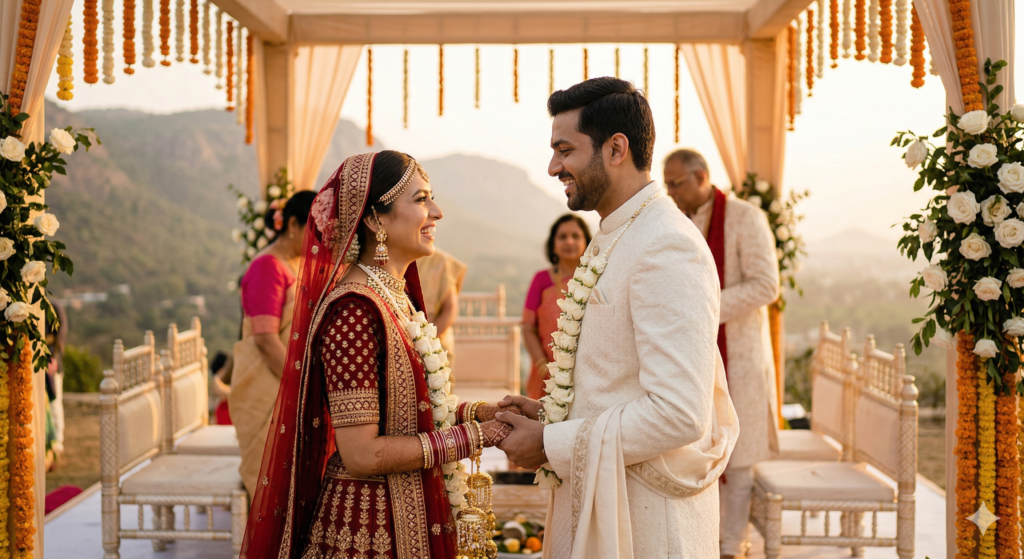
The first phase of your journey sets the tone for the entire celebration. Decisions made here will dictate your options moving forward, so it is crucial to lay a solid groundwork before looking at the fun, visual elements like dresses and flowers.
Setting the Financial Boundaries
Budgeting and expenses: This is arguably the most important step. Before you look at a single venue or dress, sit down with all contributing family members and establish a realistic, hard-cap budget. Indian weddings are notorious for hidden costs, so it is highly recommended to allocate at least 15% of your total budget to a contingency fund. Categorize your funds meticulously: allocate percentages to catering, jewelry, fashion, venue, and decor. Use a digital spreadsheet to track every single deposit and upcoming payment.
Determining the Scale of the Event
Guest list management: Your guest count directly impacts your venue size and your catering bill. Draft a preliminary list by dividing it into tiers. “Tier 1” should include immediate family, close relatives, and best friends who must be there. “Tier 2” can include extended relatives, colleagues, and acquaintances. If your budget gets tight later, you will know exactly where to make cuts.
Locking in the Location
Venue selection: The best and most highly-rated venues are often booked a year or more in advance, especially during peak auspicious wedding seasons. Once your astrologer or priest finalizes the muhurtham (auspicious date and time), start venue hunting immediately. You need to consider the capacity, weather (if you want an outdoor mandap), and accessibility. Make sure you book venues for both the main wedding day and your earlier engagement ceremony if they are being held separately.
Assembling the Management Team
Vendor coordination: Decide early on if you are going to hire a professional wedding planner or take a DIY approach with your family. A good wedding planner can save you money through their vendor network and save you countless hours of stress. Even if you don’t hire a full-service planner, consider booking a “day-of coordinator” who can manage the timeline on the actual wedding day so your family can relax.
Phase 2: Booking the Core Creatives (6 to 8 Months Before)
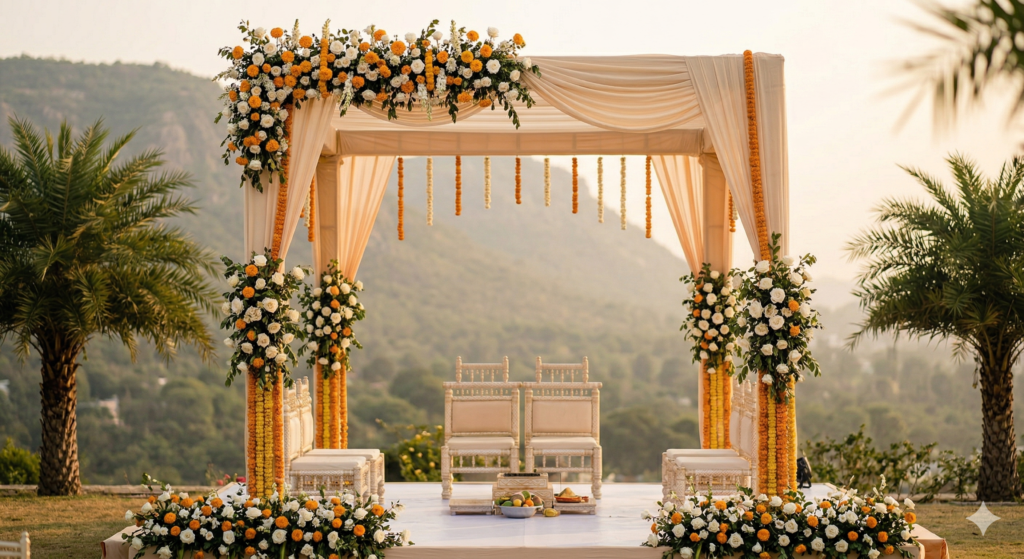
With the dates and locations securely locked in, your next priority is booking the professionals who can only take on one wedding per day.
Capturing the Memories
Photography and videography: The food will be eaten, and the flowers will wilt, but your photos and videos will last a lifetime. Research local and destination photographers whose aesthetic matches your vision. Do you prefer a dark, moody, cinematic style or bright, airy, traditional portraits? Book your team now and schedule a pre-wedding photoshoot. This shoot helps you get comfortable in front of the lens and provides beautiful images to use on your “Save the Date” announcements.
A Feast to Remember
Catering and menu planning: Food is often the most talked-about element of an Indian wedding. Schedule extensive tasting sessions. Work with your caterer to design a menu that features a balance of traditional regional delicacies and crowd-pleasing modern dishes. Consider interactive live food counters, elaborate dessert stations, and mocktail bars. Don’t forget to account for the dietary restrictions of your guests, ensuring there are plenty of vegetarian, vegan, and gluten-free options.
Setting the Scene
Wedding decorations: Meet with your decorators to establish the visual theme for each event. You might want a bright, quirky, marigold-heavy theme for the daytime events and a sophisticated, romantic, chandelier-lit ambiance for the evening. Discuss the design of the mandap, the stage backdrop, floral centerpieces, and lighting setups.
Spreading the Word
Invitation design: First impressions matter. The design of your invitations sets the expectations for your guests. Decide whether you want heavy, traditional cardstock with gold foil and boxed sweets, or modern, eco-friendly digital e-invites. Ensure the wording is double-checked for spelling errors and clearly states the venue, timings, and dress codes for each specific event.
Phase 3: Fashion, Beauty, and Glamour (4 to 6 Months Before)
This is the phase most brides look forward to—curating the perfect bridal trousseau and finalizing the look for every single function.
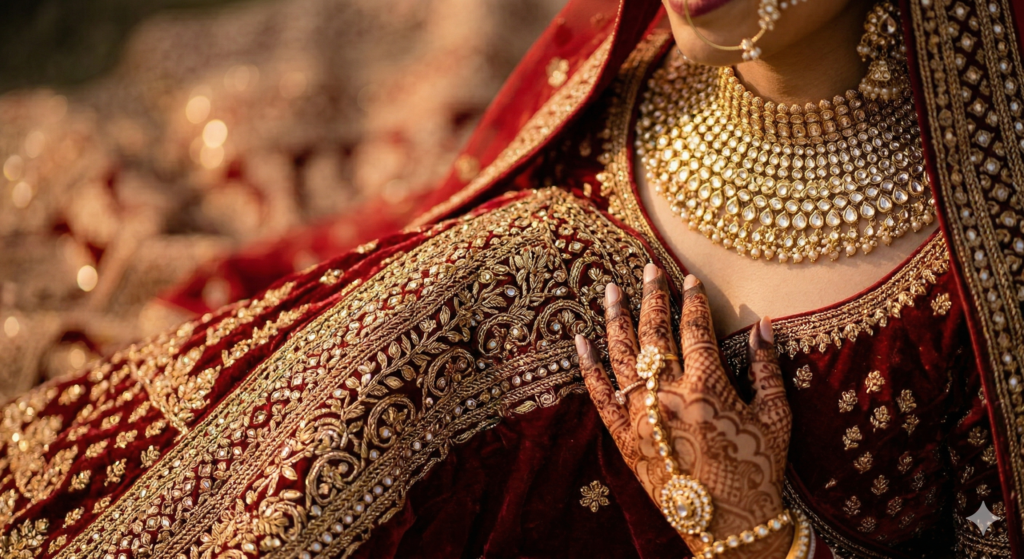
Curating the Trousseau
Wedding attire: Indian weddings require a wardrobe change for almost every event. You will need distinct outfits for the engagement, haldi, mehendi, sangeet, wedding, and reception. Start shopping early, as custom-made designer wear can take months to be embroidered and delivered.
The Masterpiece
Bridal lehenga: Finding “the one” takes time. Whether you dream of a classic red Sabyasachi-inspired velvet piece, a pastel floral organza, or a rich South Indian Kanjeevaram silk saree, order it now. Allow ample time in your schedule for at least two to three fitting sessions to ensure the tailoring is absolutely flawless.
Styling the Partner
Groom’s outfit: Gone are the days when the groom’s attire was an afterthought. The groom’s sherwani, achkan, or tailored suit must complement the bride’s outfit beautifully without completely matching it. Pay attention to the fabric, the embroidery, and the fit.
The Finishing Touches
Jewellery and accessories: Your jewelry can elevate your entire look. Decide if you are purchasing real gold, diamonds, and polki, or opting for high-quality semi-precious rental pieces. Ensure you have the right accessories: the maang tikka or matha patti, a statement nath (nose ring), the chooda (bangles), kalire, and comfortable yet stylish footwear.
The Glam Squad
Makeup and hairstyling: Book your makeup artist and hairstylist well in advance. Schedule a paid trial run to test different looks—perhaps a soft, dewy, natural glow for the morning events and a bold, dramatic, HD or airbrush look for the evening reception. Take photos in natural and artificial light during your trial to see how the makeup photographs.
Phase 4: Planning the Pre-Wedding Festivities (2 to 3 Months Before)
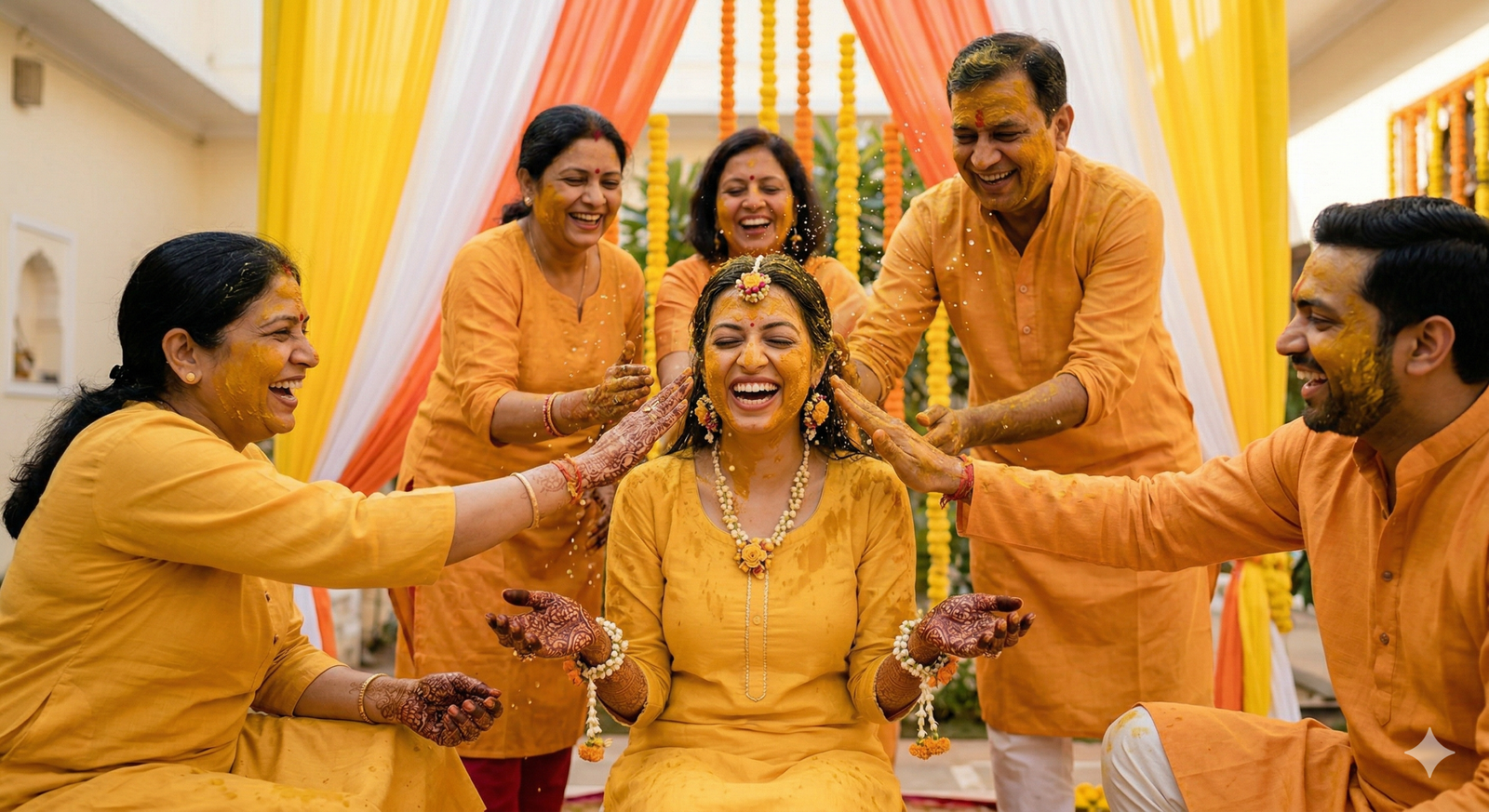
Indian weddings are famous for their lively build-up. The pre-wedding rituals are where the ice is broken between the two families and the real fun begins.
The Roka and Ring Exchange
Engagement ceremony: If you haven’t already celebrated this, the formal ring exchange is often held a few months prior to the wedding. Keep this event elegant and intimate, focusing on the commitment being made between the couple.
The Night of Dance
Sangeet event: This is essentially a massive, choreographed dance party. Finalize your playlists, book the venue, and hire a choreographer if your family wants to put on a spectacular, coordinated show. Ensure the stage is large enough and the lighting highlights the performers.
The Art of Henna
Mehendi ceremony: This vibrant event is usually a daytime affair. Book a professional, highly skilled henna artist for your intricate bridal design, which can take several hours to apply. Hire additional, faster artists to apply simpler designs for your female guests. Plan for comfortable seating, vibrant decor, and upbeat background music.
The Sacred Glow
Haldi ritual: This intimate, joyful, and often messy ceremony involves applying a paste of turmeric, sandalwood, and rosewater to the bride and groom. Wear something light, yellow, and easily washable. Floral jewelry is highly recommended for this event to keep the look fresh and traditional.
Keeping the Energy High
Music and entertainment: Beyond the DJ for the Sangeet, think about the atmospheric music. Do you want live classical musicians playing the sitar during the wedding ceremony? Do you need a booming brass band and dhol players for the groom’s energetic Baraat (procession)? Book your entertainers now.
Phase 5: Logistics and Final Details (1 Month Before)
The final countdown has begun. This month is all about confirming details, managing the comfort of your guests, and finalizing the schedule.
Guest Comfort
Accommodation for guests: Confirm the room blocks at your designated hotels. Ensure that hospitality desks are set up in the lobbies to welcome out-of-town guests. Prepare welcome bags containing itineraries, local snacks, emergency toiletries, and a welcome note to be placed in their rooms.
Moving the Masses
Transportation arrangements: Logistics can make or break the guest experience. Book comfortable AC buses or private cabs to shuttle guests from the airport to the hotel, and from the hotel to the various event venues. Don’t forget to book the special vintage car or luxury vehicle for the bride and groom’s grand exits.
Tokens of Appreciation
Wedding favors and gifts: It is customary to thank your guests with return gifts. Whether it is a customized box of gourmet sweets, a silver coin, traditional potli bags, or eco-friendly potted plants, make sure these are assembled, packed beautifully, and ready to be distributed.
The Master Plan
Ceremony timeline: Create an exhaustive, minute-by-minute itinerary of the wedding day. When does the makeup artist arrive? When does the groom’s procession start? When is the exact muhurtham? Print this out and share it with your immediate family, your bridal party, and every single vendor so everyone is operating on the exact same schedule.
Phase 6: The Culmination and Beyond (The Wedding Day and Post-Wedding)
You have planned for almost a year; now it is time to let go, trust your vendors, and soak in the magic of the moment.
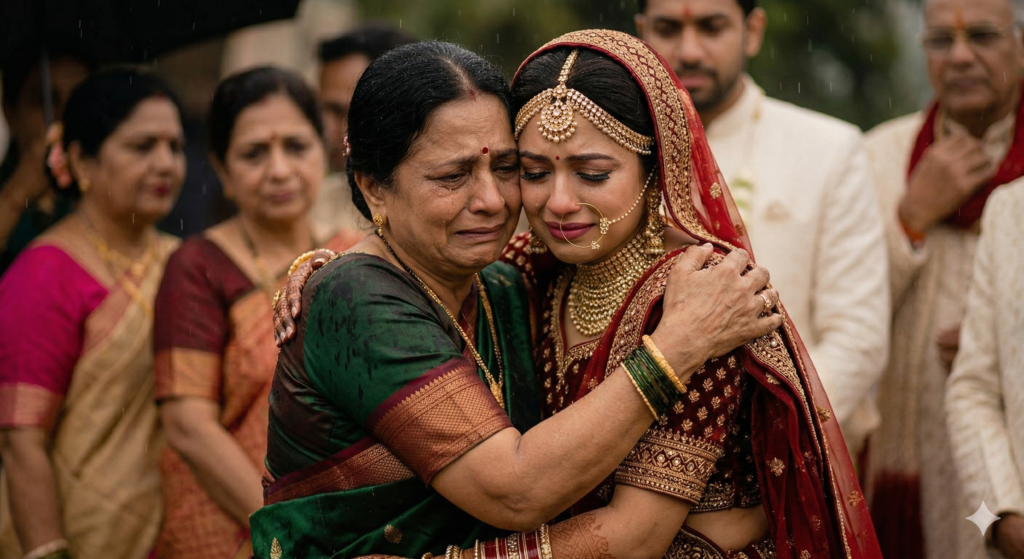
The Grand Finale
The wedding day will pass by in a blur of vibrant colors, chanting priests, and emotional hugs. Rely on your coordinator and family to handle any last-minute hiccups. Your only job today is to be present, smile, and marry the love of your life.
The Emotional Farewell
Post-wedding rituals: The celebration doesn’t end immediately after the pheras (vows). Prepare for the highly emotional Vidaai, where the bride tearfully bids farewell to her maternal home. Following this is the Griha Pravesh, a beautiful ceremony welcoming the new bride into her marital home, often involving kicking a small pot of rice and stepping into a plate of auspicious red dye to leave her footprints in the house. Finally, prepare for the grand Reception party, a formal evening of speeches, cake cutting, and celebrating with the extended community.
By following this extensive checklist, you ensure that no detail is overlooked. Take a deep breath, trust your preparation, and get ready for the most beautiful celebration of your life.
60+ tasks from engagement to vidaai, grouped by month. Tick them off — your progress is saved on this device.

Written by
Thalla Lokesh
Part of the Wedding Voices editorial team, writing about real weddings, planning and ideas for couples.